SEO For Roofing Contractors Near Me: A Local Ranking Blueprint That Brings More Calls
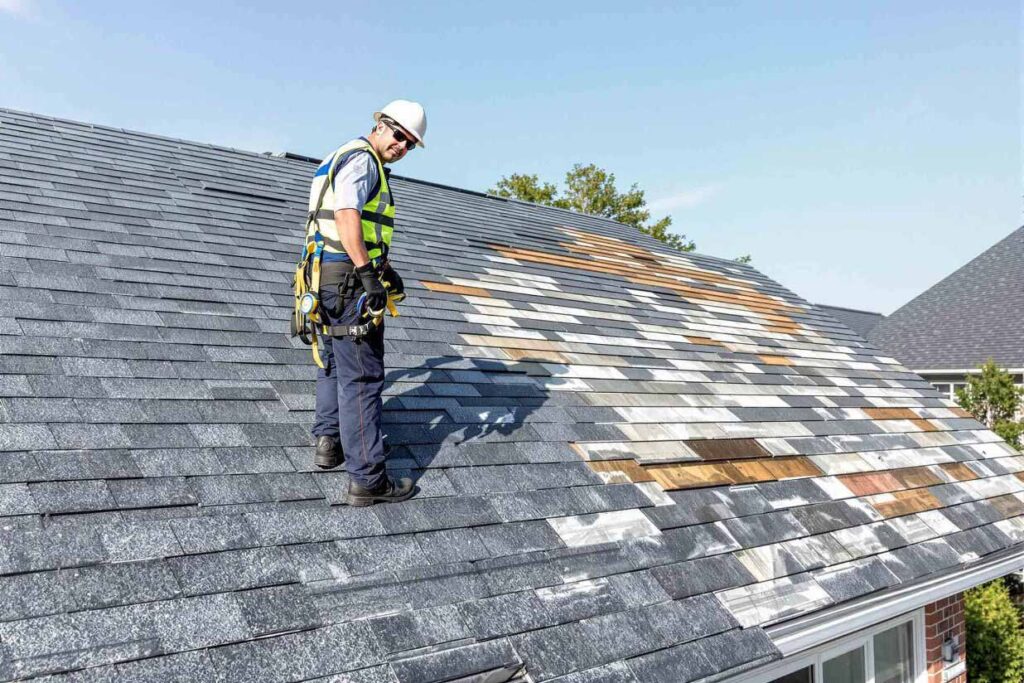
When homeowners search “SEO for roofing contractors near me” or type something like “roof leak repair near me” at 9:30 p.m. during a storm, they’re not casually browsing. They need help fast, and Google knows it. That’s why local roofing searches now surface a crowded mix of Local Service Ads, the map pack, and organic listings, all competing for the same call, same form fill, same estimate request.
For roofing contractors, that makes local SEO less of a marketing extra and more of a pipeline issue. If we want more qualified leads, we have to show up where local intent is strongest: city-based searches, emergency queries, and “near me” phrases with obvious buying intent. In this guide, we’ll walk through the playbook for ranking locally, covering keyword strategy, Google Business Profile optimization, reviews, local pages, authority signals, and lead tracking, so roofing companies can turn visibility into booked jobs, not just website traffic.
At Divramis, our roofing SEO company team has spent over a decade helping roofing companies, contractors, and local home-service businesses climb Google’s rankings with white-hat strategies, transparent reporting, and measurable lead growth.
Why “Near Me” SEO Matters For Roofing Contractors
Nearly half of Google searches carry local intent, and roofing is one of the clearest examples. When someone searches “roofing contractor near me”, “roof repair near me”, or “storm damage roofer in Dallas”, they’re usually not at the awareness stage. They’re comparing providers and deciding who to contact now.
That’s what makes local SEO so valuable for roofers: it places the business in front of people who already need the service. Google’s local ecosystem weighs three big factors, relevance, proximity, and prominence, to decide which contractors appear in the map pack. So even an excellent roofing company can get buried if its local signals are weak, its business profile is incomplete, or its website doesn’t clearly connect services to the areas served.
And today, quality matters more than ever. Google continues rewarding strong E-E-A-T: visible expertise, real project proof, trustworthy business details, and content that feels written by people who actually understand roofing. Thin, generic location pages won’t cut it.
How Local Search Intent Turns Into Calls, Form Leads, And Booked Estimates
High-intent local traffic converts because the search itself signals urgency. A homeowner searching “emergency roof repair Minneapolis” isn’t looking for a roofing history lesson. They want availability, trust, and a quick path to contact.
That means rankings matter, but so does what users see after the click. Pages that convert well usually include:
- a clickable phone number
- short estimate forms
- proof of licensing and insurance
- recent project photos
- review snippets
- clear service areas
- strong calls to action
The path is simple: local query, local result, trust signal, contact action. If we tighten each step, “near me” SEO stops being a vanity metric and starts producing estimate requests and booked jobs.
Build A High-Intent Keyword Strategy Around Roofing Services And Cities
A good roofing SEO strategy doesn’t start with broad vanity phrases like “best roofer.” It starts with the terms real customers use when they’re ready to hire.
For most contractors, keyword targets should sit in three buckets:
- Service keywords, roof repair, roof replacement, metal roofing installation, flat roof repair, commercial roofing
- Location keywords, roofing contractor in Austin, roof replacement Phoenix, roofer near me in Tampa
- Emergency keywords, emergency roof tarp service, storm damage roof repair, same-day roof leak repair
The sweet spot is the overlap between service and geography. A phrase like “tile roof repair Scottsdale” usually carries far more business value than a broad informational query because it matches a specific need in a specific place.
We also want to think in clusters, not isolated keywords. One service may generate multiple variants: “roof repair [city],” “roof leak repair [city],” “shingle repair [city],” and “emergency roofer near me.” These can support one strong service page or several targeted pages depending on search demand and business scope.
Read more: Eleven digital marketing tips every business should apply
How To Find Service, Location, And Emergency Keywords That Actually Convert
Keyword research for roofing should be grounded in buyer behavior, not just search volume. We can pull strong candidates from tools like Google Search Console, Google Ads Keyword Planner, Ahrefs, Semrush, and even Google’s autocomplete and People Also Ask results.
A practical workflow looks like this:
- list every revenue-driving service
- map each service to every priority city or suburb
- add urgency modifiers like “emergency,” “same day,” “after storm,” or “insurance claim”
- review search results to see what Google already rewards
- prioritize terms with clear commercial intent
For example, “flat roof repair in [City]” may have lower volume than “roofing company [City]”, but it often converts better because the need is precise. Same goes for phrases tied to severe weather, insurance concerns, or material type.
The rule is simple: if a keyword sounds like something a homeowner would search right before making a call, it belongs on the shortlist.
Create Service Pages And City Pages Without Thin Or Duplicate Content
This is where many roofing websites lose momentum. They create dozens of city pages by swapping out the town name and leaving the rest untouched. Google has seen that trick for years, and it rarely rewards it.
Instead, every core page needs a distinct purpose. Service pages should explain the work itself, roof replacement, leak repair, storm restoration, commercial roofing. City pages should explain how that service is delivered in a specific area.
A strong city page might include:
- neighborhoods or ZIP codes served
- common roofing issues in that market
- storm, hail, wind, or heat considerations
- recent projects nearby
- local testimonials
- permit or code references where relevant
- unique FAQs for that city
If we’re building a page for “Roof Repair in Columbus,” the page should sound like Columbus matters, not like a template with one word swapped 18 times.
The same goes for service pages. Each should include process details, materials, timelines, signs of damage, and when to call. Original photos, team bios, warranty language, and project examples help reinforce experience and trust.
Read more: Eleven reasons every business should invest in SEO
In short: fewer pages with real substance usually outperform a bloated library of near-duplicates. Thin content may get indexed. It usually won’t keep ranking.
Optimize Your Google Business Profile For Local Map Pack Visibility
For many roofing contractors, the Google Business Profile is the most important local SEO asset after the website itself. It heavily influences whether the company shows in the local map pack, the three listings that often get the lion’s share of clicks and calls.
Start with the basics and get them exactly right:
- business name
- primary category
- phone number
- website URL
- hours
- service areas
- business description
- products or services
- appointment link if available
NAP consistency still matters. The name, address, and phone number used on the business profile should match key directories and the website closely enough to avoid trust issues.
For roofers who travel to customers, the service-area setup is especially important. We should define actual service locations honestly rather than trying to claim an unrealistic radius just to cast a wider net.
Then come the visibility boosters: upload fresh project photos, add roofing-specific services, post updates, answer questions, and monitor reviews. Profiles with current activity tend to look more trustworthy to both Google and searchers.
Done well, a Google Business Profile becomes more than a listing. It becomes a mini sales page inside search results, one that can pull calls before a prospect ever reaches the website.
Earn Reviews, Photos, And Trust Signals That Improve Local Rankings
Reviews are one of the clearest local trust signals in roofing. They influence rankings, click-through rate, and conversion rate all at once. Homeowners don’t just want a roofer close by: they want one who seems reliable when a $12,000 to $25,000 decision is on the table.
The smartest review strategy is steady and systematic. Ask after milestone moments: post-inspection, project completion, insurance approval, or final walkthrough. Make it easy with a short direct link and a simple prompt.
Read more: AI-powered SEO keyword research for competitive niches
But quantity alone isn’t enough. The best reviews mention specifics, roof replacement, emergency leak repair, cleanup quality, communication, insurance help, or the city served. Those details reinforce topical and local relevance naturally.
Photos matter too. Before-and-after shots, team images, drone views, material close-ups, and completed roofs all improve credibility. Real images beat generic stock every time.
Other trust signals help support local rankings and conversions, including:
- manufacturer certifications
- licensing and insurance details
- BBB accreditation
- financing options
- workmanship warranties
- years in business
- local awards or memberships
Google’s quality systems increasingly reward businesses that look real, established, and accountable. Roofing is a trust-heavy category. The companies that prove credibility visibly tend to win more clicks, and more calls.
Strengthen On-Page SEO With Local Relevance, Schema, And Strong Conversion Elements
On-page SEO is where we connect keyword targeting to user experience. A roofing page shouldn’t just mention a city a few times and hope for the best. It should clearly signal what service is offered, where it’s offered, and why the business is trustworthy.
That starts with fundamentals:
- localized title tags and meta descriptions
- clear H1 and subheadings
- service-area references in natural copy
- internal links between service and location pages
- optimized image alt text
- fast mobile performance
Schema can strengthen those signals further. Roofing contractors can benefit from structured data like LocalBusiness, Service, FAQ, Review, and Breadcrumb markup where appropriate. Schema won’t guarantee rankings on its own, but it helps search engines interpret the page more accurately.
Then come conversion elements, the part some SEO campaigns weirdly ignore. Ranking is only useful if visitors act. Every major page should include visible CTAs, click-to-call buttons, short forms, trust badges, and reassurance around estimates, financing, and response times.
A good local roofing page does two jobs at once: it tells Google the page is relevant, and it tells the homeowner, “Yes, you’re in the right place. Call us.”
Read more: How AI is changing web design for local businesses
Build Local Authority With Citations, Backlinks, And Community Mentions
Authority in local SEO isn’t built through random directory spam. It comes from consistent business references, credible links, and visible participation in the local market.
First, citations. Roofing businesses should have accurate listings on major platforms like Yelp, BBB, Angi, Apple Maps, Bing Places, and relevant chamber or contractor directories. The goal isn’t to appear everywhere, it’s to appear consistently on sites Google already trusts.
Second, backlinks. A few strong local links are worth far more than dozens of junk links. Good opportunities often come from:
- local news coverage
- supplier or manufacturer partner pages
- community sponsorships
- chamber of commerce listings
- real estate or property management partners
- neighborhood associations
- local business directories with editorial standards
Community mentions matter more than many contractors realize. Sponsoring a youth sports team, supporting storm recovery, speaking at a homeowner association event, these can lead to brand mentions, links, and branded searches that reinforce prominence.
In other words, local authority grows when the business is genuinely known in the area. That’s not flashy SEO. But it’s often the difference between page-two obscurity and map-pack consistency.
Track Rankings, Calls, And Leads To Improve SEO Performance Over Time
Local SEO only works if we measure what matters. Rankings are useful, but they’re not the end goal. A contractor can rank for dozens of keywords and still have a weak month if those rankings don’t produce calls, form fills, and booked estimates.
The key metrics to monitor include:
- map pack visibility by city
- organic rankings for service-location keywords
- Google Business Profile calls and direction requests
- website call clicks
- form submissions
- booked inspections or estimates
- close rate from organic and local leads
- cost per lead and ROI
Call tracking helps connect traffic to real outcomes, especially in roofing where phone leads often convert faster than forms. Google Search Console shows query trends, while GA4 can reveal which pages drive engagement. Rank trackers with zip-code or grid-based local data are especially helpful for service-area businesses, since local visibility can vary street by street.
And we should expect refinement over time. Maybe one city page attracts traffic but few leads, often a sign the offer or CTA needs work. Maybe emergency roof repair terms convert best during storm season and deserve stronger internal linking or ad support.
Read more: What to do when your site disappears from Google
The best roofing SEO campaigns improve because they’re measured like operations, not guessed at.
If we do this right, local SEO becomes compounding. Better rankings bring more leads, more jobs generate more reviews and photos, and stronger trust signals improve rankings again. That flywheel is the real goal.
Key Takeaways
- Effective SEO for roofing contractors near me focuses on targeting high-intent local keywords that combine services and specific locations.
- Optimizing Google Business Profiles with accurate details, fresh photos, and active customer interaction boosts visibility in local map packs.
- Creating unique, detailed service and city pages with local relevance and trust signals improves ranking and attracts qualified leads.
- Consistent reviews highlighting specific roofing services and local experiences enhance trust and influence search rankings.
- Building local authority through credible citations, backlinks, and community involvement strengthens prominence and search performance.
- Tracking calls, form submissions, and booked estimates ensures SEO efforts translate into actual business growth and allows ongoing optimization.
Frequently Asked Questions About SEO for Roofing Contractors Near Me
Why is ‘Near Me’ SEO crucial for roofing contractors?
Nearly 46% of Google searches have local intent, making ‘Near Me’ SEO vital. It helps roofing contractors appear in local service ads, map packs, and organic results where buyers have urgent needs, increasing calls, form leads, and booked jobs.
How can roofing contractors optimize their Google Business Profile to improve local SEO?
Contractors should ensure accurate business name, NAP consistency, select primary categories, update service areas honestly, upload recent project photos, respond to reviews, and regularly post updates to boost visibility in the local map pack and gain trust.
What type of keywords should roofing contractors target for effective local SEO?
Contractors should focus on high-intent keywords combining service types (e.g., roof repair), locations (e.g., city names), and emergency terms (e.g., ‘same-day roof leak repair’). Long-tail phrases like ’tile roof repair Scottsdale’ convert better than broad terms.
How do local search intents translate into real leads and booked roofing jobs?
Local searches signal urgency. Optimized pages with clickable phone numbers, short estimate forms, proof of licensing, recent project photos, and clear calls to action convert high-intent traffic into calls, form submissions, and booked estimates efficiently.
Why should roofing contractors avoid creating thin or duplicate city pages?
Google favors quality and unique content. Each city page should contain distinctive local information like neighborhoods served, common roofing issues, recent projects, and local testimonials. Generic swap-and-copy pages typically rank poorly and fail to drive leads.
What are the best practices for tracking and improving SEO performance for roofing contractors?
Track metrics such as map pack visibility, organic rankings, call volume, form submissions, and booked inspections. Use tools like Google Search Console, GA4, and call tracking services to connect traffic with leads and refine SEO strategies over time.
Read More
Discover more from WomanGr: